
Menu and kitchen
How to review a restaurant menu and kitchen workflow
Start with the dishes that sell often, contribute most to margin or slow down service. Compare each dish's recorded cost and prep plan with what actually happens in the kitchen. Then follow a live order from the ticket to the pass to find the specific step that needs to change.
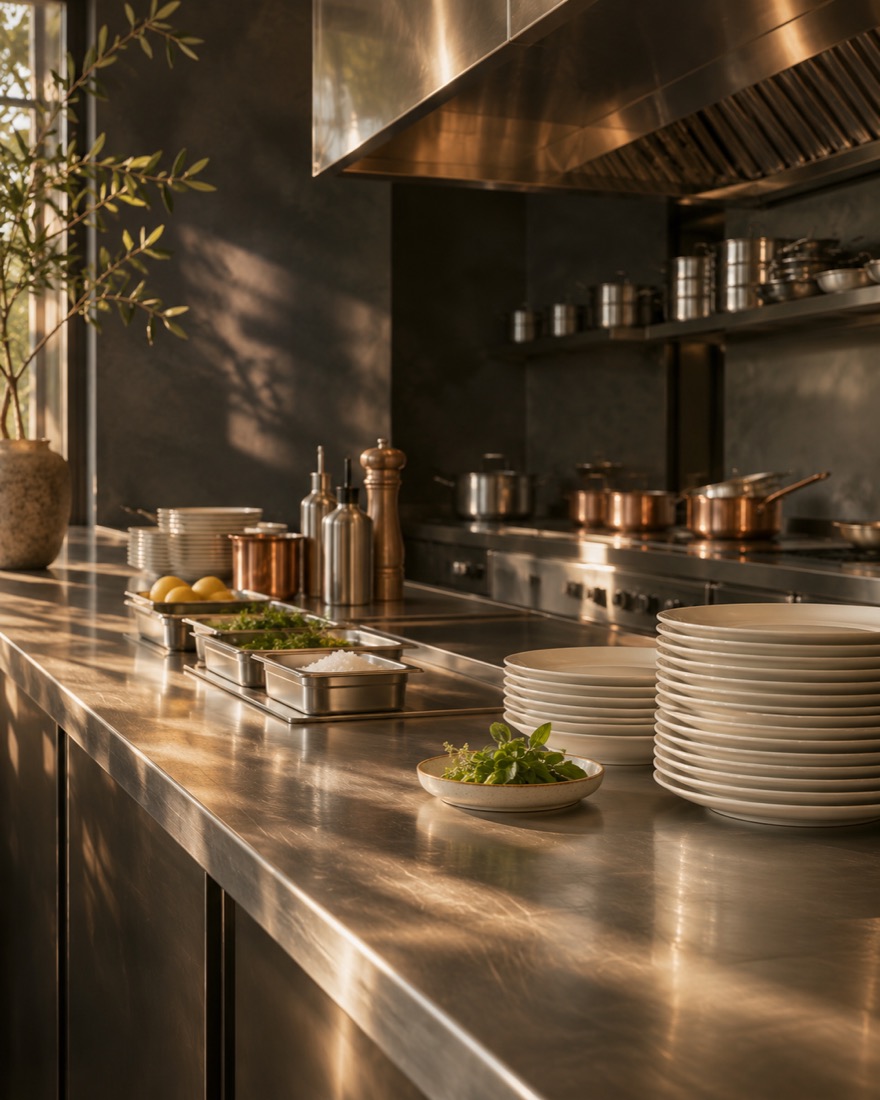
Which dishes should you review first?
Pull sales by dish for a period that reflects normal trading and note any unusual events or temporary menu changes. Ask the team where waste is recurring, where plates wait at the pass and which dishes regularly need an ingredient substitution. A few well-chosen dishes give the chef, manager and finance team something concrete to review together.
Make separate notes for busy and quieter services. A dish that runs smoothly on a weekday lunch may need more station capacity when your dining room or event schedule changes.
How do you check actual plate cost?
Cost the full serving using current invoice prices and usable yield. Include the parts that are easy to miss, such as garnish, sauces, sides and trim. Weigh a typical service portion and compare it with the recipe card. If the difference is meaningful to your operation, confirm whether the card, the portioning routine or both need to change.
Review cost alongside sales and selling price. A busy menu item can create a significant purchasing or production issue if the actual portion repeatedly exceeds the planned one.
Where does the kitchen workflow slow down?
Observe a busy service and pick one order that uses multiple stations. Note where the ticket waits, which equipment is shared, when the pass is told about delays and how the dining room hears about substitutions. Record the time and reason for each wait so the team can compare similar services.
- At prep, check whether the batch size and sequence match the busiest window.
- At the station, look for tools, storage or equipment that two cooks need at the same time.
- At the pass, check who synchronises tables and tells the floor when a schedule changes.
What should change after the review?
Choose one or two changes and assign someone to test each one. For example, if two popular dishes use the same oven during the dinner rush, test a different prep sequence or adjust the opening menu before investing in equipment. Repeat the same observations during a comparable service.
Record the effect on the issue that prompted the change, such as plate cost, waste, time at the pass or repeated guest returns. Keep the change if the evidence supports it, then update the recipe card, prep list or shift briefing so the team can repeat it.